
“Why does this pigmentation keep coming back even after trying different creams?”
For many patients, pigmentation is frustrating not simply because of how it looks, but because it can persist or return despite months of skincare. Melasma, dark patches and uneven skin tone are particularly relevant concerns in India, where darker skin phototypes and year-round sun exposure can influence pigmentation.
Research involving Indian populations has shown that melasma is a commonly encountered facial pigmentation disorder, particularly among women, and ultraviolet exposure is an important aggravating factor. For patients dealing with persistent pigmentation, treatment may therefore need to go beyond simply applying a brightening cream.
One professional depigmentation option that may be considered is the Cosmelan Peel. It is designed to help manage excess pigmentation through a structured treatment programme that includes professional application followed by carefully planned home care.
Dr Deepam Shah, MD, DNB, FAM, is a Skin Specialist in Mumbai, Dermatologist and Cosmetologist with more than a decade of experience in skin and aesthetic treatments. At Viva Aesthetic Clinic, Mumbai, pigmentation is assessed before treatment to determine its type, depth, possible triggers and whether Cosmelan is appropriate.
Why Does Pigmentation Keep Coming Back?
>Pigmentation develops when melanin—the pigment responsible for skin colour—is produced or distributed excessively in particular areas.
>But there is rarely just one trigger.
>Facial pigmentation may be influenced by:
- Sun exposure
- Hormonal changes
- Genetics
- Inflammation
- Acne
- Certain medications
- Skin irritation
- Heat and environmental exposure
>Melasma is particularly known for recurrence.
>A patient may see improvement after treatment and then notice patches becoming darker again following significant sun exposure or other triggers.
>This is why pigmentation management is different from simply removing a superficial mark.
>The underlying activity responsible for excess pigment formation also needs to be controlled.
What Makes Cosmelan Different From an Ordinary Peel?
The word “peel” can make Cosmelan sound like a conventional chemical peel.
However, the treatment approach is different.
Cosmelan is a professional depigmentation programme intended to help reduce visible pigmentation while regulating processes involved in excessive melanin production.
Rather than relying only on exfoliation, the treatment combines an in-clinic phase with a structured home-care programme.
This distinction matters because persistent pigmentation often requires ongoing management.
The professional treatment begins the process, while the prescribed home-care phase supports continued pigment control and maintenance.
Patients should therefore understand that Cosmelan is not simply a one-day facial treatment.
Which Pigmentation Concerns May Be Considered?
Cosmelan may be considered for certain forms of facial hyperpigmentation after dermatological assessment.
These may include concerns such as:
Melasma
Melasma commonly produces brown or grey-brown patches, particularly over the cheeks, forehead, upper lip and other sun-exposed areas.
Uneven Skin Tone
Areas of excess pigment can make the complexion appear irregular even when there is no single prominent dark patch.
Post-Inflammatory Pigmentation
Dark marks may remain after inflammatory skin conditions. However, active acne or irritation should be evaluated before selecting a depigmentation treatment.
Sun-Related Pigmentation
Long-term ultraviolet exposure can contribute to uneven pigmentation and dark spots.
Not every brown mark is the same condition.
Freckles, melasma, post-acne marks and other pigmented lesions can look similar to patients but require different approaches.
A diagnosis should therefore come before treatment.
What Happens During a Cosmelan Treatment?
Cosmelan treatment generally begins with a dermatological assessment.
Your skin type, pigmentation pattern and current skincare routine are reviewed. Previous treatments and sensitivity should also be discussed.
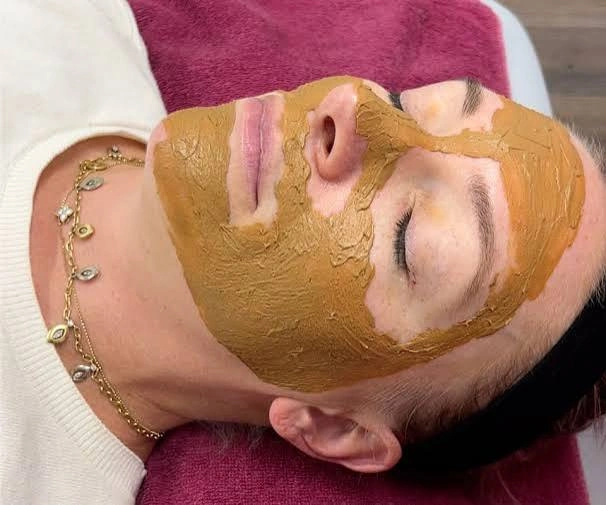
If Cosmelan is considered appropriate, the skin is prepared and the professional mask is applied according to the prescribed protocol.
An unusual feature of the treatment is that the mask may remain on the skin for a specified period.
The exact duration is determined according to the professional protocol and individual skin requirements.
Patients may be instructed to remove the mask at home at the recommended time.
This is important.
Do not decide to leave the product on longer because you assume that “more time means better results.”
The treatment duration should be followed exactly as instructed.
What Will Your Skin Look Like Afterwards?
This is one of the most practical things patients should understand before scheduling treatment.
Your skin may not immediately look better the next morning.
Temporary reactions can occur as the skin adjusts to the treatment.
Depending on individual sensitivity and the treatment phase, patients may experience:
- Redness
- Dryness
- Tightness
- Flaking
- Peeling
- Increased sensitivity
The intensity varies.
For this reason, patients should plan Cosmelan treatment around work, social events and important occasions.
Do not schedule treatment immediately before a wedding, major celebration or professional photoshoot without discussing the timing with your dermatologist.
Your dermatologist can explain what level of visible recovery you should realistically prepare for.
Home Care Is a Major Part of the Treatment
The clinic appointment is only one component of a Cosmelan programme.
Home care plays an important role in the subsequent phases.
Patients may be prescribed specific products and instructed when and how often to apply them.
This routine should be followed carefully.
Using more product than recommended will not necessarily clear pigmentation faster and may instead increase irritation.
Likewise, introducing additional acids, scrubs, retinoids or strong active ingredients without medical advice can make already sensitive skin more reactive.
During this period, keep the skincare routine simple and follow the products recommended by your dermatologist.
If irritation becomes difficult to tolerate, contact the clinic rather than stopping or changing everything independently.
Sunscreen Can Influence Your Outcome
A pigmentation treatment without appropriate sun protection is difficult to maintain.
Ultraviolet radiation can stimulate pigment production and contribute to recurrence or worsening of melasma and other pigmentation problems.
For patients living in Mumbai, incidental sun exposure can happen throughout ordinary daily activities—from travelling to work to sitting near windows or spending time outdoors.
Your dermatologist may recommend a suitable broad-spectrum sunscreen and explain how it should be used.
Physical sun-protection measures can also help, including:
- Seeking shade when practical
- Using hats or umbrellas outdoors
- Avoiding unnecessary peak sun exposure
- Following appropriate sunscreen reapplication advice
Patients should not think of sunscreen as an optional addition after Cosmelan.
For someone undergoing treatment for pigmentation, photoprotection is part of the management strategy itself.
Cosmelan Is Not Automatically Right for Every Dark Spot
Seeing pigmentation does not automatically make someone a candidate for Cosmelan.
The skin needs to be evaluated first.
Active irritation, certain skin conditions, current medications or recently performed procedures may influence when or whether a depigmentation programme is appropriate.
Your dermatologist should also know if you are pregnant or breastfeeding and what prescription or over-the-counter skincare products you currently use.
This is particularly important if your routine contains retinoids, exfoliating acids or other active ingredients.
Dr Deepam Shah completed his MBBS from the University of Bombay and DNB in Dermatology & Venereology from the University of Delhi. He also holds a Fellowship in Aesthetic Medicine and has more than a decade of experience in dermatology and aesthetic treatments.
At Viva Aesthetic Clinic, Mumbai, Dr Deepam Shah assesses the type of pigmentation and individual skin characteristics before recommending an appropriate treatment plan.
The objective is not simply to make a dark patch lighter. It is to understand why the pigmentation is present and how it can be appropriately managed over time.
Persistent pigmentation can be difficult to manage because the visible dark patch is only one part of the problem. Sun exposure, inflammation, hormonal influences and individual pigment activity can all contribute to its appearance and recurrence.
Cosmelan Peel offers a structured approach that combines professional depigmentation treatment with continued home care. However, the programme requires commitment. Following the prescribed routine, protecting the skin from sunlight and avoiding unnecessary irritation are important parts of the process.
Dr Deepam Shah, MD, DNB, FAM, is a Skin Specialist in Mumbai and Dermatologist with more than a decade of experience. At Viva Aesthetic Clinic, Mumbai, patients with melasma and other pigmentation concerns can undergo an assessment to understand the cause of their pigmentation and whether Cosmelan or another dermatological treatment is appropriate.
Frequently Asked Questions
Is Cosmelan suitable for Indian skin?
Cosmelan may be considered for different skin phototypes, including Indian skin, but individual suitability must be assessed. Skin sensitivity, pigmentation type, medical history and current skincare products all influence treatment planning.
Does Cosmelan remove pigmentation permanently?
No pigmentation treatment can guarantee that every condition will disappear permanently. Melasma in particular has a tendency to recur. Long-term pigment control, appropriate skincare and sun protection may therefore remain important even after visible improvement.
How soon can I see improvement?
Changes occur progressively rather than instantly. The timeline varies according to the pigmentation, skin response, treatment protocol and adherence to home care.
Will my skin peel heavily?
The degree of dryness, flaking or peeling varies between patients. Some may experience more visible skin changes than others. Your dermatologist can explain what to expect based on your treatment protocol.
Can I wear makeup during Cosmelan treatment?
This depends on the stage of treatment and how your skin is responding. Ask your dermatologist when makeup can be safely restarted, particularly if the skin is red, peeling or sensitive.
Can I use my normal skincare products with Cosmelan?
Not automatically. Certain retinoids, exfoliating acids, scrubs or other active products may cause excessive irritation when combined with a depigmentation programme. Show your existing skincare routine to your dermatologist before treatment.
What should I do if my skin becomes very irritated?
Contact your dermatologist. Do not increase, reduce or combine products randomly based on online advice. The home-care routine may need to be adjusted according to your skin’s response.